
Safety and durability are two of the most important principles in construction, engineering, infrastructure development, and building maintenance. Every structure, whether residential, commercial, industrial, or public, must be designed and built to provide a safe environment while maintaining long-term structural performance. These qualities not only protect occupants and assets but also reduce maintenance costs, improve operational efficiency, and increase the overall value of a property.

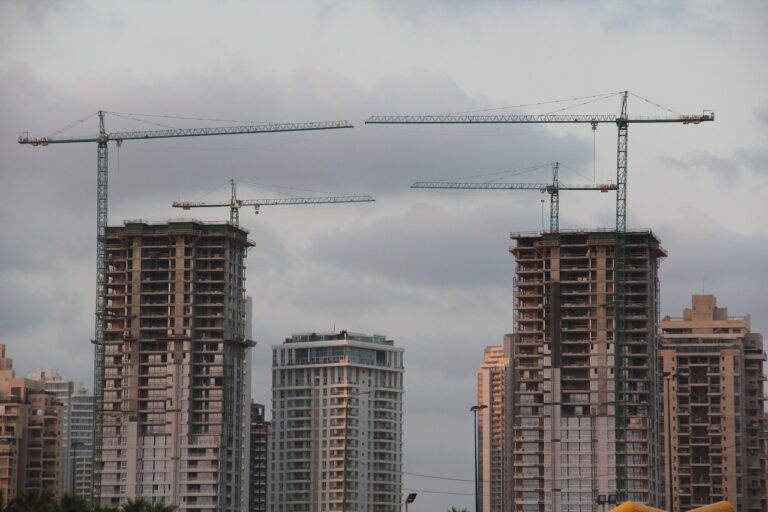
Safety and durability are essential for protecting people, investments, and infrastructure. Buildings that meet high safety standards reduce the risk of accidents, structural failures, and costly repairs, while durable construction extends the lifespan of the property and minimizes maintenance requirements.
A strong focus on these principles helps ensure that structures continue to perform efficiently under changing environmental conditions, increasing occupancy demands, and long-term operational use.
The primary goal of every construction project is to create a safe environment for occupants, employees, visitors, and surrounding communities. Safe buildings are designed to withstand expected loads, resist environmental hazards, and provide secure access throughout their lifecycle.
Comprehensive safety measures also include fire protection systems, emergency exits, structural stability, and accessibility features that support everyday use and emergency situations.
Durable construction protects property investments by reducing wear, preventing premature deterioration, and lowering repair costs. Buildings constructed with quality materials and proper engineering maintain their structural integrity over many years, providing consistent performance and long-term financial value.
Long-lasting structures also contribute to sustainability by reducing the need for major renovations or complete replacement.
Achieving safety and durability begins during the planning and design phase. Careful evaluation of project requirements, environmental conditions, and intended building use helps establish appropriate construction standards.
Before construction begins, professionals analyze soil conditions, drainage patterns, weather exposure, seismic activity, and environmental factors that may influence structural performance. Understanding site conditions allows engineers to design foundations and support systems that provide long-term stability.
Proper site preparation minimizes future settlement, water damage, and structural movement.
Engineers carefully calculate load-bearing capacities, material strengths, and structural systems to ensure buildings safely support their intended use. Advanced design software allows accurate analysis of stress, movement, and environmental forces before construction begins.
Well-engineered structures maintain stability while resisting external pressures throughout their service life.
Material selection plays a major role in determining the safety and durability of any building. Quality materials improve structural strength while increasing resistance to weather, moisture, corrosion, and physical wear.
Concrete, structural steel, engineered timber, masonry, and composite materials are selected based on project requirements and environmental conditions. High-performance materials provide superior strength, reliability, and long-term performance while reducing maintenance needs.
Choosing suitable materials ensures buildings remain structurally sound even under demanding operating conditions.
Roofing systems, exterior cladding, waterproof membranes, windows, and protective coatings shield buildings from rain, wind, sunlight, and temperature changes. These components help prevent moisture penetration, corrosion, and material deterioration.
Weather-resistant construction extends building lifespan while improving occupant comfort and energy efficiency.
Construction safety protects workers, equipment, and the public throughout every stage of a project. Comprehensive safety programs reduce workplace accidents while maintaining efficient project progress.
Construction personnel receive ongoing training in equipment operation, hazard identification, emergency procedures, and safe work practices. Well-trained workers understand industry regulations and consistently follow established safety protocols.
Continuous education also helps employees adapt to new technologies and evolving safety standards.
Protective equipment such as helmets, gloves, safety footwear, eye protection, harnesses, and high-visibility clothing reduces the risk of workplace injuries. Proper use of personal protective equipment is supported through regular inspections, supervision, and safety awareness programs.
Maintaining strong safety practices creates a healthier and more productive working environment.
Quality assurance is essential for ensuring every stage of construction meets design specifications and regulatory requirements. Continuous inspections verify that workmanship, materials, and installation methods meet established standards.
Routine testing of concrete, steel, welding, foundations, electrical systems, and mechanical installations helps identify issues before they affect structural performance. Detailed documentation and regular reporting support transparency while ensuring consistent construction quality.
Early detection of deficiencies reduces repair costs and improves long-term reliability.
Modern buildings incorporate fire protection systems designed to safeguard occupants and minimize property damage. Fire-resistant materials, smoke detection systems, sprinkler installations, emergency lighting, and clearly marked evacuation routes all contribute to comprehensive building safety.
Emergency preparedness also includes routine inspections, maintenance of safety equipment, and regular evacuation planning. Well-designed emergency systems improve response times while protecting both occupants and emergency personnel.
Compliance with fire safety regulations is an essential component of responsible construction and facility management.
Buildings must withstand changing environmental conditions throughout their lifespan. Proper design considers exposure to sunlight, rainfall, humidity, wind, temperature fluctuations, flooding, and seismic activity.
Protective coatings, corrosion-resistant materials, drainage systems, and structural reinforcement help buildings maintain their integrity under challenging conditions. Climate-responsive design also improves energy efficiency while reducing environmental impact.
Planning for environmental durability ensures structures remain safe and functional despite changing weather patterns and long-term environmental stress.
Modern technology has significantly improved construction quality and building performance. Building Information Modeling, drones, laser scanning, smart sensors, and structural monitoring systems provide valuable data throughout construction and operation.
Digital monitoring allows engineers to detect structural movement, moisture intrusion, equipment performance, and maintenance needs before problems become serious. Predictive maintenance helps extend building lifespan while reducing repair costs.
Automation and advanced inspection technologies also improve accuracy, efficiency, and quality control during construction.
Even the most durable structures require regular maintenance to preserve safety and performance. Preventive maintenance programs include inspections, repairs, cleaning, equipment servicing, and replacement of worn components before failures occur.
Routine maintenance protects structural elements, mechanical systems, electrical installations, and building finishes from deterioration. Early intervention reduces repair costs while extending the useful life of the property.
Well-maintained buildings provide safer environments, lower operating expenses, and greater long-term reliability.
Professional safety and durability services provide comprehensive support throughout every phase of construction and building management. Experienced specialists evaluate structural integrity, material performance, safety compliance, and maintenance requirements to ensure buildings continue operating safely and efficiently.
These services include engineering assessments, quality inspections, risk evaluations, maintenance planning, structural testing, regulatory compliance, and safety audits. Every recommendation is focused on improving reliability, reducing risks, and protecting long-term investments.
Professional oversight also helps organizations meet industry standards while minimizing liability and operational disruptions.
Safety and durability remain essential priorities in modern construction because they directly influence building performance, occupant well-being, and long-term value. Advances in engineering, material science, construction technology, and quality management continue to improve the strength, resilience, and efficiency of modern structures.
By integrating thoughtful planning, quality materials, rigorous inspections, and proactive maintenance, organizations can create buildings that withstand the demands of daily use while adapting to future challenges. Investing in safety and durability not only protects people and property but also supports sustainable development, operational excellence, and lasting community value.
A strong commitment to safety and durability ensures that every project delivers reliable performance, minimizes maintenance costs, and provides secure, high-quality environments for generations to come.
Quality construction doesn’t just deliver a building—it adds long-term value. Homes built with precision and care appreciate over time, while commercial projects attract businesses and investors.
Clients who choose reliable contractors benefit from both financial and functional advantages, making quality an essential investment.
A construction company’s reputation is built on the quality of its projects. Meeting deadlines, delivering as promised, and maintaining transparency fosters trust between the builder and client.
The construction industry has always been about building structures that last, but today, innovation is transforming how we design, plan, and deliver projects. Modern construction is no longer limited to bricks and mortar—it now incorporates advanced technologies, sustainable practices, and smarter processes that shape the future of our communities. Quality construction is about more than completing a project—it is about building trust, ensuring safety, and creating lasting value. With skilled professionals, advanced methods, and a dedication to excellence, every project becomes a step toward shaping stronger communities and a better future.
The sky was cloudless and of a deep dark blue.
Our mission is to deliver innovative, reliable, and sustainable construction solutions that bring our clients’ visions to life.