
Construction technology has revolutionized the way buildings, infrastructure, and industrial facilities are designed, planned, and constructed. By integrating advanced digital tools, automated equipment, innovative materials, and intelligent management systems, modern construction technology improves efficiency, accuracy, safety, and sustainability throughout every stage of a project. From residential developments to large-scale commercial and infrastructure projects, technology has become an essential component of delivering high-quality construction on time and within budget.

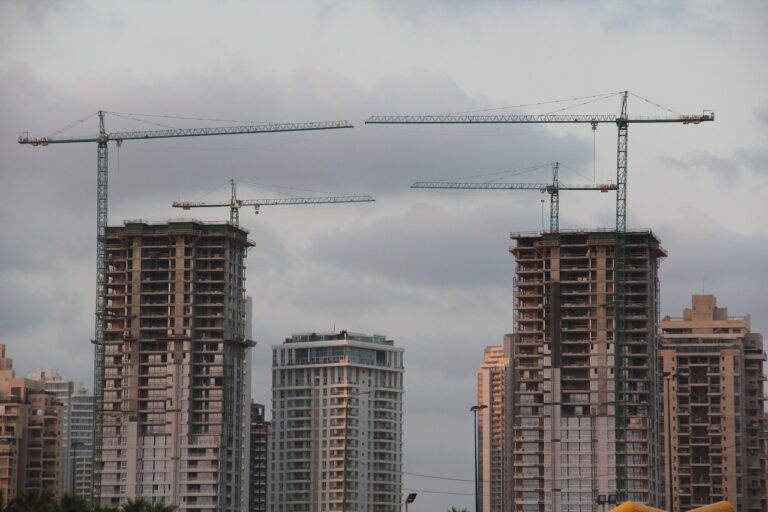
Construction technology enhances every aspect of the building process by improving productivity, reducing costs, and increasing overall project quality. Modern tools allow project teams to plan more accurately, identify potential issues before construction begins, and manage complex operations with greater precision.
Technology also supports better communication, enabling stakeholders to access real-time project information and make informed decisions throughout the construction lifecycle. As projects become larger and more complex, technological solutions help organizations maintain efficiency while meeting strict quality and safety standards.
Advanced technology automates repetitive tasks, streamlines workflows, and reduces manual processes that can lead to delays or errors. Digital scheduling, automated calculations, and intelligent planning systems help teams complete projects faster while maintaining consistent quality.
Improved efficiency also reduces operational costs by optimizing labor, materials, and equipment usage throughout construction.
Access to accurate, real-time information enables project managers to monitor progress, evaluate performance, and respond quickly to changing conditions. Data-driven decisions improve resource allocation, reduce risks, and strengthen project coordination.
Better visibility into project performance supports more predictable outcomes and improved client satisfaction.
Building Information Modeling, commonly known as BIM, has become one of the most important technologies in modern construction. BIM creates detailed digital models that combine architectural, structural, mechanical, electrical, and plumbing information into a single coordinated platform.
BIM enables architects, engineers, contractors, and consultants to collaborate using a shared digital model. Design conflicts can be identified before construction begins, reducing costly changes and minimizing project delays.
Improved coordination enhances communication while ensuring every project participant works with the latest design information.
Three-dimensional models allow project teams to visualize completed structures before construction starts. Detailed simulations improve planning, support client presentations, and help evaluate different design alternatives.
Accurate visualization also improves budgeting, scheduling, and material estimation throughout the project.
Automation is transforming construction by improving productivity, reducing labor-intensive tasks, and increasing operational consistency. Modern equipment and robotic systems perform repetitive activities with exceptional accuracy.
Excavators, bulldozers, cranes, and grading equipment increasingly incorporate automated guidance systems that improve precision during excavation, leveling, and material handling operations.
Machine automation reduces human error while improving fuel efficiency and equipment performance.
Robotic systems assist with tasks such as bricklaying, concrete placement, welding, demolition, and material transportation. These technologies increase productivity while reducing physical strain on workers.
Automation allows construction teams to complete demanding tasks more safely and efficiently.
Digital project management tools improve communication, scheduling, budgeting, and document control throughout construction projects. Cloud-based platforms enable teams to access project information from virtually any location.
Project managers monitor schedules, budgets, workforce activities, equipment performance, and construction progress through integrated digital dashboards. Real-time updates improve decision-making while allowing rapid responses to unexpected challenges.
Continuous monitoring also strengthens accountability and project transparency.
Construction projects generate large amounts of documentation, including drawings, contracts, permits, inspection reports, and technical specifications. Digital document management systems organize these records efficiently while ensuring project teams always access current information.
Secure digital storage improves collaboration while reducing paperwork and administrative delays.
Modern construction equipment incorporates intelligent technologies that improve safety, productivity, and maintenance management. Smart machinery provides valuable operational data that supports more efficient project execution.
Global Positioning System technology guides heavy equipment with exceptional precision during excavation, grading, and earthmoving operations. Machine control systems reduce surveying requirements while improving construction accuracy.
Automated positioning minimizes material waste and decreases project completion time.
Telematics systems continuously monitor engine performance, fuel consumption, equipment location, maintenance schedules, and operating conditions. Fleet managers use this information to maximize equipment utilization while reducing downtime.
Predictive maintenance improves equipment reliability and extends service life.
Unmanned aerial vehicles have become valuable tools for construction planning, monitoring, and inspection. Drones provide accurate aerial imagery while reducing the time required for traditional surveying methods.
Aerial mapping supports site analysis, progress tracking, quantity measurements, and environmental assessments. High-resolution imaging also improves safety by allowing inspections of difficult-to-access locations without exposing workers to unnecessary risks.
Drone technology enhances communication by providing visual updates for project stakeholders throughout construction.
Technology plays a major role in supporting environmentally responsible construction practices. Modern innovations reduce resource consumption while improving building performance and long-term sustainability.
Smart lighting, automated climate control, renewable energy integration, and advanced insulation technologies improve building efficiency while reducing operating costs. Intelligent energy management systems optimize electricity consumption based on occupancy and environmental conditions.
These technologies contribute to lower carbon emissions and improved environmental performance.
Construction technology supports the development of innovative building materials that offer improved strength, durability, and environmental benefits. Recycled materials, engineered wood products, low-carbon concrete, and advanced insulation systems reduce environmental impact while maintaining structural performance.
Efficient manufacturing processes also minimize waste during production.
Construction technology has significantly improved workplace safety by providing better monitoring, communication, and hazard prevention systems.
Wearable safety devices monitor worker location, movement, fatigue, and environmental conditions. Smart helmets, connected sensors, and automated alerts help identify potential hazards before accidents occur.
Digital safety management systems streamline inspections, incident reporting, compliance documentation, and emergency response planning. These technologies create safer working environments while improving regulatory compliance.
Artificial intelligence is increasingly used to analyze project data, predict risks, optimize schedules, and improve resource planning. AI systems evaluate historical project information to identify patterns that support more effective decision-making.
Predictive analytics helps project managers anticipate equipment failures, budget variations, weather impacts, and scheduling conflicts before they affect project performance.
Machine learning continuously improves operational efficiency by adapting recommendations based on real-time project data.
Professional construction technology services help organizations integrate advanced digital solutions into every stage of project development. Experienced specialists evaluate project requirements, recommend suitable technologies, and implement systems that improve efficiency, communication, and quality.
These services include BIM implementation, digital project management, drone surveying, equipment automation, smart monitoring systems, data analysis, and technology training. Every solution is designed to enhance productivity while supporting long-term operational success.
Professional technology integration also improves collaboration among project stakeholders while reducing costly errors and improving project predictability.
Construction technology continues to evolve through innovation, automation, artificial intelligence, robotics, and smart infrastructure. Future developments will further improve efficiency, sustainability, and safety while enabling construction projects to become faster, more accurate, and more environmentally responsible.
Digital transformation is reshaping every aspect of the construction industry, creating opportunities for improved project delivery, enhanced quality, and stronger collaboration. Organizations that embrace modern technologies are better positioned to meet growing market demands while maintaining competitive advantages.
Construction technology is no longer an optional enhancement but an essential component of successful project execution. By combining intelligent planning, advanced equipment, digital collaboration, automation, and sustainable innovation, construction technology helps deliver reliable, high-quality structures that meet today’s expectations while preparing for the challenges and opportunities of tomorrow.
Construction has always been more than just bricks, steel, and concrete—it is the backbone of progress, shaping cities, communities, and the very way people live.
Behind every successful project is a team of skilled engineers, architects, project managers, and laborers who bring visions to life.
Their expertise ensures safety, durability, and innovation in every project. Continuous training and adaptation to new trends keep these professionals at the forefront of the industry.
Construction is not just about building structures—it’s about building trust. A client-centered approach means clear communication, transparency in budgeting, and delivering projects on time. Companies that value client relationships create lasting partnerships and earn reputations built on reliability.
Every project contributes to community development, whether it’s residential housing, commercial spaces, or public infrastructure. By creating safe homes, modern offices, and reliable public facilities, construction companies play a key role in shaping better lives for people.
The sky was cloudless and of a deep dark blue.
Our mission is to deliver innovative, reliable, and sustainable construction solutions that bring our clients’ visions to life.