
Construction and community development work together to create safe, functional, and sustainable environments that improve the quality of life for individuals and communities. While construction focuses on building homes, commercial spaces, roads, schools, healthcare facilities, and public infrastructure, community development ensures these projects meet the long-term social, economic, and environmental needs of the people they serve. Together, they shape neighborhoods, strengthen local economies, and provide the foundation for future growth.

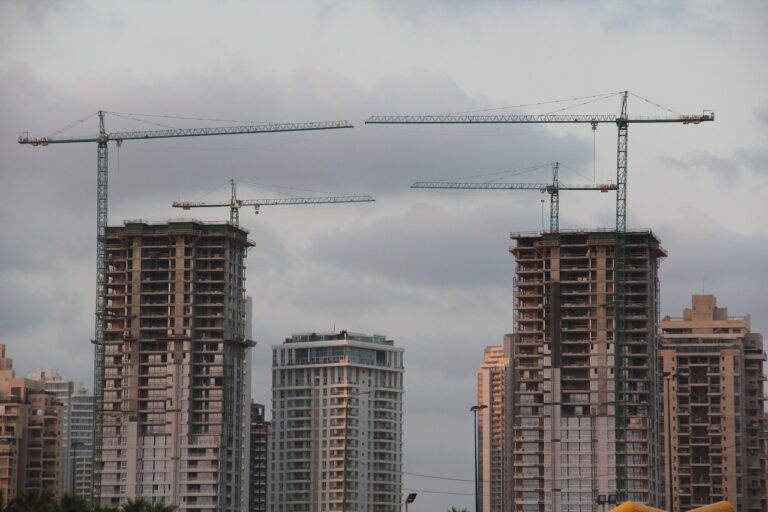
Construction is a driving force behind economic growth and social progress. Every new project contributes to improved infrastructure, increased employment opportunities, and enhanced public services. Community development ensures that these investments create lasting benefits by addressing local needs while supporting sustainable growth.
Well-planned developments provide safe housing, reliable transportation, educational facilities, healthcare services, recreational spaces, and commercial opportunities that strengthen communities for generations.
Construction projects generate employment across multiple industries, including engineering, architecture, manufacturing, transportation, and skilled trades. Local businesses benefit from increased demand for materials, equipment, and professional services throughout the construction process.
Long-term economic growth also results from improved infrastructure that attracts businesses, encourages investment, and creates opportunities for entrepreneurship and employment.
Community-focused construction creates environments where people can live, work, learn, and socialize comfortably. Modern developments prioritize accessibility, safety, green spaces, and public amenities that enhance daily life.
Well-designed communities promote healthier lifestyles while encouraging social interaction and stronger neighborhood connections.
Successful community development begins with comprehensive planning that considers current needs as well as future growth. Every project should contribute positively to the surrounding environment while supporting long-term economic and social objectives.
Effective land use planning ensures residential, commercial, industrial, and recreational spaces are organized efficiently. Balanced development minimizes congestion while providing convenient access to essential services and public facilities.
Proper planning also protects environmentally sensitive areas and preserves valuable natural resources.
Reliable infrastructure forms the backbone of every successful community. Roads, bridges, water systems, drainage networks, electricity, telecommunications, and public transportation support economic activity while improving daily living conditions.
Modern infrastructure planning focuses on long-term durability, efficient maintenance, and the ability to accommodate future population growth.
Housing is one of the most important aspects of community development. Well-designed residential neighborhoods provide safe, comfortable, and accessible living environments that support families of all sizes.
Creating affordable housing helps communities meet growing population demands while ensuring individuals and families have access to safe and quality homes. Efficient construction methods and thoughtful planning make housing more accessible without compromising durability or comfort.
Affordable housing contributes to stronger communities by improving social stability and economic opportunity.
Residential developments increasingly incorporate parks, walking paths, playgrounds, schools, healthcare facilities, and community centers within neighborhood layouts. These amenities encourage healthy lifestyles while strengthening community engagement.
Thoughtful neighborhood planning also improves traffic flow, public safety, and environmental sustainability.
Community development extends beyond residential construction by supporting businesses, educational institutions, healthcare services, and public facilities that improve everyday life.
Retail centers, office buildings, hospitality facilities, and mixed-use developments stimulate local economies by creating employment opportunities and supporting business growth. Well-designed commercial districts provide convenient access to goods and services while contributing to urban development.
Commercial construction also increases property values and strengthens regional economic activity.
Schools, hospitals, libraries, sports complexes, government buildings, and emergency response facilities provide essential services that improve community well-being. Investing in public infrastructure supports education, healthcare, safety, and civic engagement.
Modern public buildings emphasize accessibility, energy efficiency, and long-term operational sustainability.
Sustainability has become a central principle of community development. Responsible construction methods reduce environmental impact while creating healthier and more resilient communities.
Energy-efficient buildings, renewable energy systems, water conservation technologies, and sustainable construction materials help reduce resource consumption and operating costs. Green building practices improve environmental performance while supporting long-term economic benefits.
Responsible material sourcing and efficient waste management further strengthen sustainability efforts.
Parks, gardens, tree-lined streets, and recreational areas improve air quality while providing residents with opportunities for outdoor activities and relaxation. Green spaces also help manage stormwater, reduce urban heat, and enhance biodiversity.
Integrating natural environments into urban development creates healthier and more attractive communities.
Successful community development requires meaningful collaboration between planners, developers, government agencies, businesses, and local residents. Public participation helps ensure projects reflect community priorities and address local concerns.
Community consultations provide valuable insights into transportation needs, recreational facilities, housing preferences, environmental protection, and public services. Open communication builds trust while encouraging long-term community support for development projects.
Collaborative planning also reduces potential conflicts and improves overall project outcomes.
Technology has transformed the planning, design, and management of construction projects that support community development. Digital modeling, geographic information systems, drones, and Building Information Modeling improve planning accuracy and project coordination.
Smart city technologies integrate intelligent transportation systems, energy management, public safety monitoring, and digital communication networks to improve urban efficiency. Data-driven decision-making helps communities allocate resources more effectively while planning for future growth.
Technology also enhances public engagement by providing interactive planning tools and digital project updates.
Construction and community development provide lasting benefits that extend far beyond completed buildings. New infrastructure stimulates business investment, creates employment opportunities, and improves access to education, healthcare, and public services.
Socially, well-designed communities encourage stronger relationships, improved public health, greater accessibility, and increased civic participation. Safe neighborhoods, quality schools, reliable transportation, and recreational facilities contribute to higher overall standards of living.
Communities that invest in thoughtful development often experience greater resilience during economic and environmental challenges.
Despite its many benefits, community development involves balancing diverse priorities such as environmental protection, population growth, infrastructure demands, and financial resources. Rapid urbanization, limited land availability, rising construction costs, and changing regulations require careful planning and strategic decision-making.
Successful projects address these challenges through responsible resource management, stakeholder collaboration, sustainable design, and long-term planning. Flexibility and innovation remain essential for adapting to evolving community needs.
Professional construction and community development services combine technical expertise, strategic planning, engineering knowledge, and stakeholder coordination to deliver successful projects. Experienced teams manage every stage of development, from initial planning and design to construction, quality assurance, and long-term sustainability.
Comprehensive services ensure projects comply with regulations, meet community expectations, and support responsible growth. Careful planning, efficient resource management, and transparent communication help deliver developments that provide lasting value for residents, businesses, and future generations.
Construction and community development continue to shape modern society by creating environments that support economic opportunity, environmental responsibility, and social well-being. Through thoughtful planning, sustainable construction, quality infrastructure, and community-focused design, these services help build stronger, safer, and more resilient communities that continue to thrive for years to come.
By creating safe homes, modern offices, and reliable public facilities, construction companies play a key role in shaping better lives for people.
As we look forward, construction will remain a cornerstone of progress, building a stronger, safer, and more sustainable tomorrow.
With modern technology, sustainable practices, and a dedication to quality, the industry continues to evolve and improve the world around us.
The sky was cloudless and of a deep dark blue.
Our mission is to deliver innovative, reliable, and sustainable construction solutions that bring our clients’ visions to life.